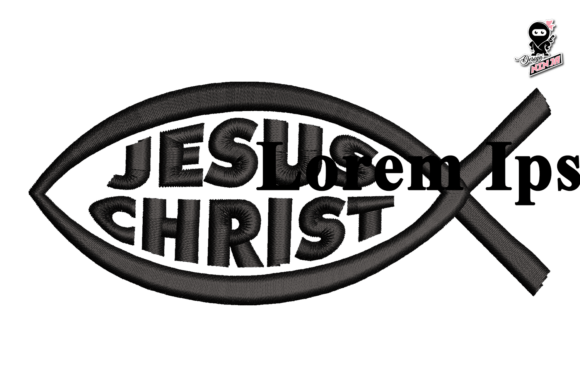
Jesus Christ Fish: A Design Review for Business Merch
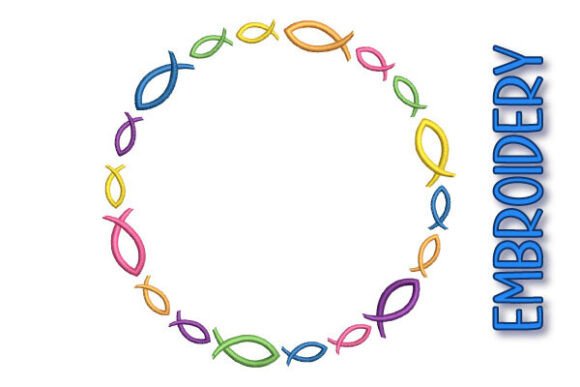
As an embroidery designer who specializes in commercial branding and faith-based merchandise, I approach every new digitization with a critical eye toward production viability. When evaluating the Jesus Christ Fish design for small business applications, my primary concern is not just the spiritual sentiment, but how this machine embroidery design translates onto physical goods intended for sale or professional use. This classic Christian embroidery design of the Ichthys fish symbol with Jesus Christ is marketed as perfect for spiritual projects, church items, and faith-based gifts. However, for Etsy sellers, boutique owners, and apparel decorators, the true value lies in its versatility as a brand asset. After reviewing the design structure and aesthetic profile, I see significant potential for this file to serve as a cornerstone for religious retail lines and ministry branding, provided it is applied with technical precision.
Visual Personality and Professional First Impressions
The first impression of the Jesus Christ Fish design is one of timeless elegance rather than playful novelty. In the context of Religion Faith products, many designs lean toward ornate complexity or childish simplicity. This design strikes a balance that feels premium and respectful. For a handmade product line or a faith-based bakery, this visual tone communicates trust and tradition. The typography accompanying the Ichthys symbol appears clean and legible, which is essential for commercial embroidery where clarity equates to professionalism.
From a branding perspective, this design avoids looking like a generic clip-art addition. Instead, it possesses a deliberate weight that suggests intentionality. When used on custom apparel or boutique merchandise, it signals to the customer that the business values quality craftsmanship. This is crucial for small business merch, where the perceived value of the item directly correlates to the perceived value of the brand. The design feels rustic yet refined, making it suitable for both modern minimalist aesthetics and traditional heritage styles. It does not scream for attention; rather, it invites recognition, which is exactly what you want for a chest logo or a subtle sleeve detail.
Commercial Applications Across Merchandise Categories
In real-world business scenarios, the Jesus Christ Fish performs exceptionally well across various substrates. For coffee shops or bookstores operating within a faith community, this design serves as an excellent cap embroidery option. The horizontal orientation of the Ichthys fits naturally within the limited vertical space of a hat front without requiring excessive distortion. Similarly, for florists or gift shops, applying this design as a tote bag mark creates a walking billboard that aligns with the ethical and spiritual values of the target demographic.
I have found that apron embroidery is another high-value application for this specific digital embroidery file. Staff uniforms in faith-based organizations or charitable cafes benefit from symbols that reinforce mission statements without being overtly aggressive. The Jesus Christ Fish acts as a unifying emblem for team members while serving as a conversation starter with customers. Furthermore, for Etsy sellers focusing on religious decor, this design works beautifully as an embroidered patch. Patches allow for inventory flexibility; you can stitch them in bulk during slow periods and apply them to denim jackets, canvas bags, or hats as orders come in. This modularity is key for managing cash flow in a small creative studio.
Beyond apparel, consider using this design as a branded product add-on. A candle maker or soap artisan could embroider this motif onto linen dust covers or packaging accents. In these instances, the design elevates a simple commodity into a meaningful gift item. The transition from a standalone religious symbol to a cohesive element of brand identity is seamless when the stitch-out is crisp and the placement is intentional.
Technical Considerations for Production Success
Despite its versatile appeal, the Jesus Christ Fish requires careful handling during production. As with any machine embroidery design featuring text, legibility at reduced sizes is the primary risk factor. If you intend to use this as a small patch or a pocket-sized logo, you must verify that the lettering remains distinct. Tiny lettering often suffers from thread breaks or poor registration if the stitch density is too high or the underlay is insufficient. Always test the design at your smallest intended size before committing to a full production run.
Fabric texture plays a massive role in the final outcome. On smooth cotton twill or polyester blends, the design will likely render perfectly. However, on textured fabrics like burlap tote bags or ribbed knit caps, the details of the Ichthys outline may get lost. In these cases, adjusting the stabilizer is non-negotiable. Use a heavy-duty cutaway stabilizer for stretchy knits and a tear-away or water-soluble topping for high-pile fabrics to prevent the stitches from sinking. Dark uniforms present another challenge; ensure your thread colors offer sufficient contrast against the garment. White or gold thread on navy or black fabric is standard, but always verify the contrast ratio under store lighting conditions, not just natural light.
Cap embroidery introduces curvature issues. The Jesus Christ Fish is horizontally oriented, which is ideal, but you must ensure the hoop size matches your cap frame specifications. Distortion can occur if the design is pushed beyond its safe stitching area. Additionally, items destined for frequent washing, such as staff aprons or children’s clothing, require secure satin stitch borders or edge-run underlay to prevent fraying over time. Never assume a digital embroidery file is wash-ready straight out of the download; validation through testing is part of professional due diligence.
Strategic Branding and Designer Best Practices
Integrating the Jesus Christ Fish into your product lineup affects more than just aesthetics; it influences buyer engagement and customer trust. Consistency is paramount. If you use this design on an apron, ensure the same thread colors and scale are used on your tote bags and caps. Visual consistency builds brand recognition and makes your handmade product line look cohesive rather than haphazard. When customers see a unified presentation, they perceive higher value and are more likely to purchase multiple items.
Before launching any commercial embroidery project with this asset, follow these practical designer notes:
- Create a Printable Mockup: Before stitching, place the design digitally on photos of your actual products. This helps visualize scale and placement relative to seams and pockets.
- Test in Black and White: Print a line art version of the design to check spacing and negative space. If it reads clearly in monochrome, it will likely succeed in thread.
- Verify Licensing: Confirm that the digital embroidery file includes commercial licensing for business use. Personal use licenses do not cover selling finished products or branded merchandise.
- Check File Specifications: Since the product description mentions multiple formats but lacks specific data, you must manually confirm the stitch count, hoop size compatibility, and color changes before purchasing.
- Compare Beside Other Assets: Place the Jesus Christ Fish next to your existing logo or other design assets. Ensure the style weight matches so one does not overpower the other.
- Document Your Settings: Once you achieve a perfect stitch-out on a specific fabric, record the stabilizer type, needle size, and tension settings. This ensures repeatability for future reorders.
Ultimately, the Jesus Christ Fish is a robust candidate for faith-based commerce. It bridges the gap between devotional art and functional branding. By treating this machine embroidery design with the same technical rigor as any corporate logo, small business owners can create merchandise that honors the symbol's significance while meeting the demands of modern retail. Whether used for staff uniforms, event merch, or boutique accessories, success lies in respecting the interplay between digital precision and tangible craft.